

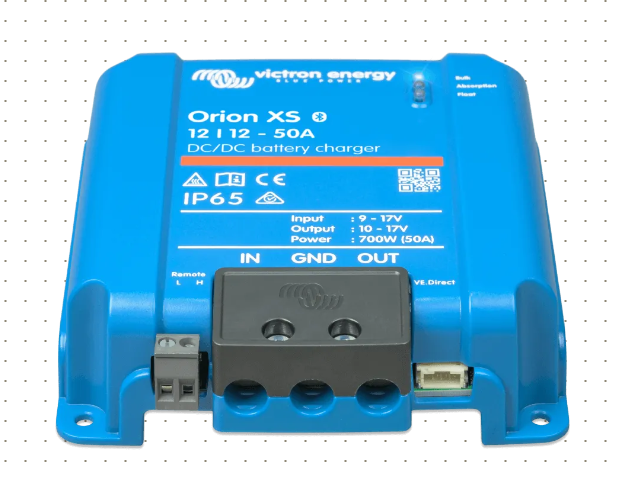
We’ve all been waiting for this to be released for close to a year. Now that the initial rush is over it’s actually accessible to the masses instead of needing to be pre-ordered for weeks/months in advance. But is it right for you? The answer is almost certainly yes. Before you make a decision, have a read at some of the ways it works.
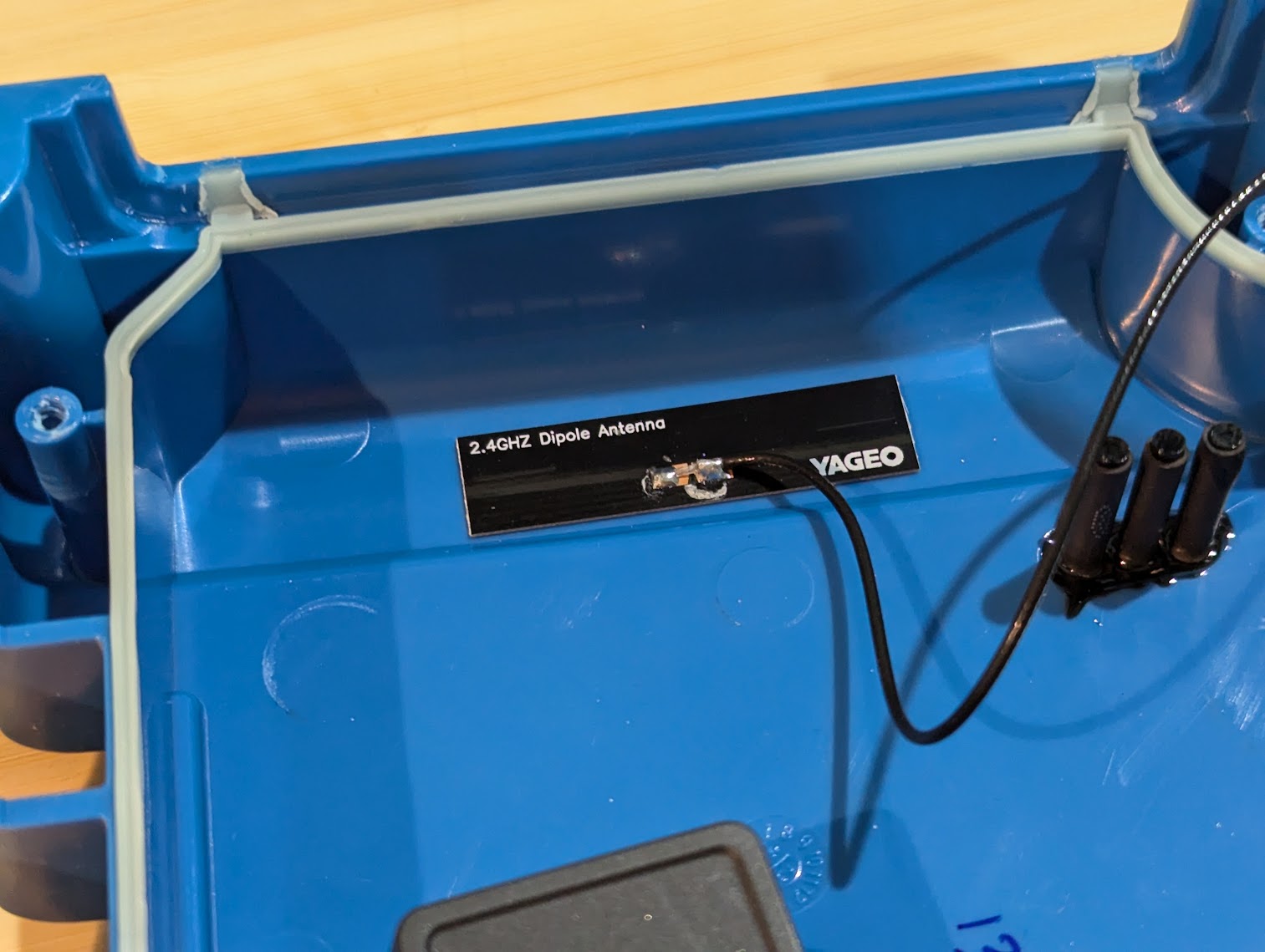
Size and format – In typical Victron fashion, it’s blue and plastic. The size is impressively small at 123 x 137mm and only 40mm deep. However remember you need clear air space around it for ventilation (see the impressive 41 page manual for info). It’s also light weight because it’s not potted like other Orion and MPPT models. Instead they have a silicone o-ring to seal against the PCB, which is part of the metal backing plate to assist with heat dissipation.
Heat dissipation – Unlike most Victron products, it doesn’t have a heatsink back end. They are relying on good internal current and thermal limiting, and also extremely good efficiency. At 98% efficiency we only saw a maximum dissipation of about 16w, but for most people it will be more like 13w which is very low. It still gets hot but not crazy hot like many do.
Connections – Victron have gone minimal, with a simple 3 wire setup for the majority of people. In – Gnd – Out. For those with Victron systems it also has a VE Direct port and those who wish for external triggers can use a 2 wire input. It has Bluetooth so configuring it is done by the well known App, and it can VE Network to other Victron devices nearby, this is an easy setup. The grub screw terminals could be better, but they suffice. Most people will need 3-4 different screwdrivers to complete the install, it would be good if they standardised all of them. Fun tip, you can actually use M6 screws and lugs to attach to the top of the terminal if you want.
Some very cool features – This is the only DC-DC we have seen so far with both input and output current limiting, and this can really help some setups. Some DC-DC’s only limit the output, so a 60A output into an almost full battery (14v), with an input down at <10v (such as a badly wired system) can be a 100A drain on the starter battery. This can cause wiring issues for some setups. However the Victron Orion XS limits the input current so this can never happen. Because this limit is easy to change, a customer can tailor it to their driving habits without much fuss too. However this can also mean you’re not guaranteed to get 50A charge current all the time, it can fall below that level.
The Engine start detection and charge parameters are all well and truly sorted too, so most people won’t even need to run an ignition wire, even with a smart alternator (it has this in the settings).
Delay start times also ensure after you start a vehicle, the alternator load has dropped a bit before it initiates charge, this is nicer on the vehicle electrical system and starter battery.
So overall it’s a very good unit… Well done Victron, well done indeed!


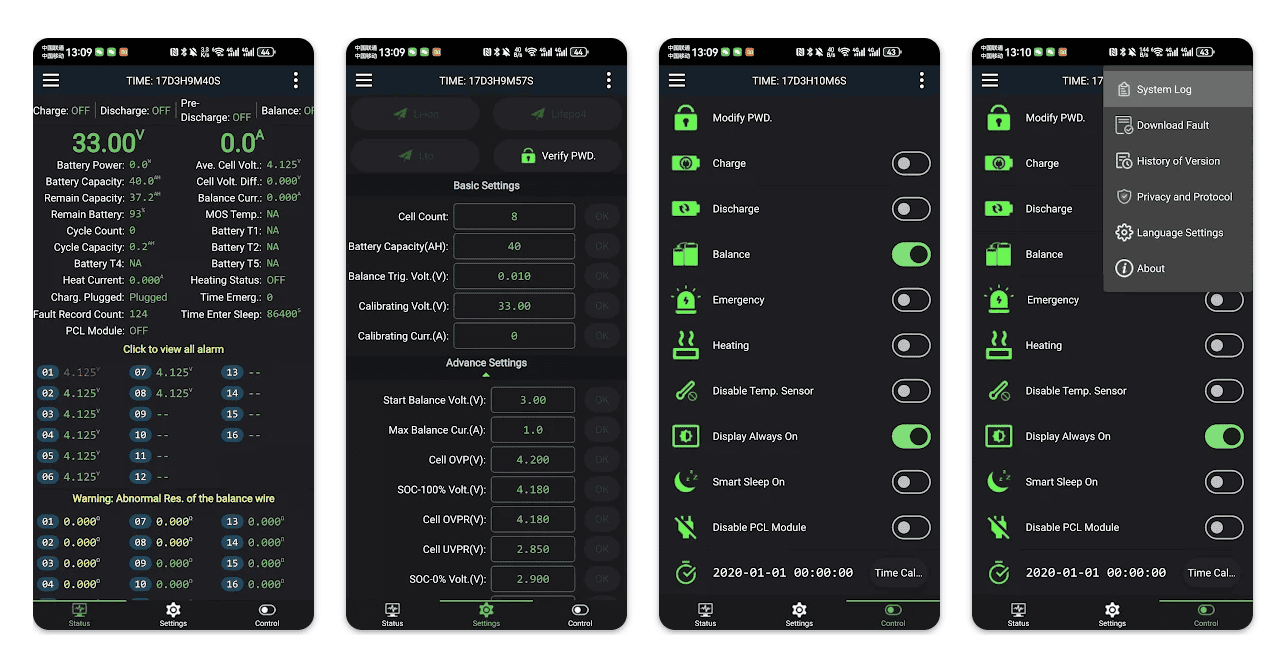

Would you run the factory settings to charge a LiFePO4 battery? Only 14.2V plus a heap of float levels that seem superfluous to lithium technology.
Generally the default settings are a good starting point. 14.2v is ideal for our LiFePO4 batteries as a Bulk/Absorption voltage, and 13.5v is good for Float/Storage voltage. Because it’s DC-DC there’s almost no chance of this being used 24/7.