This “Shunt Test” was performed in various ways. Some of it was test bench style using lab power supplies, various loads and set values. But the part of testing that we gathered the most data from, was performed as ”real life” as we could do with the resources available. So for this test we cycled the battery between about 80% and 20% to eliminate the battery monitor calibrating itself at the top or bottom voltages. This was done to view the drift between the Shunts.
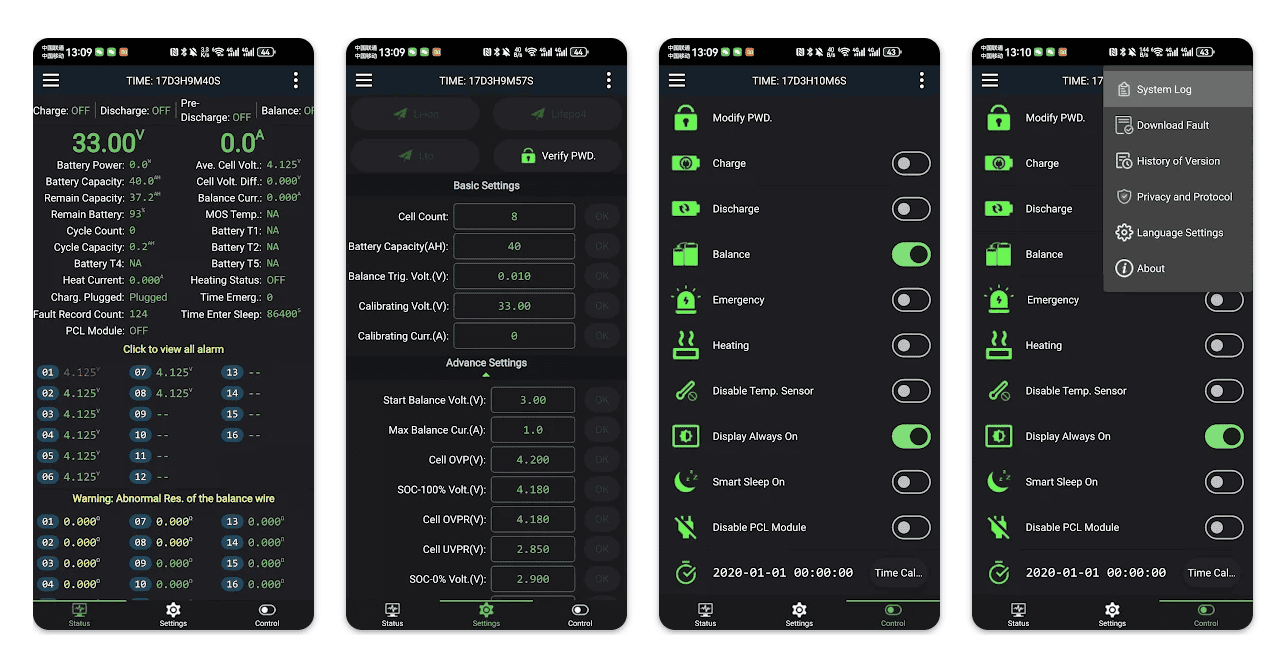
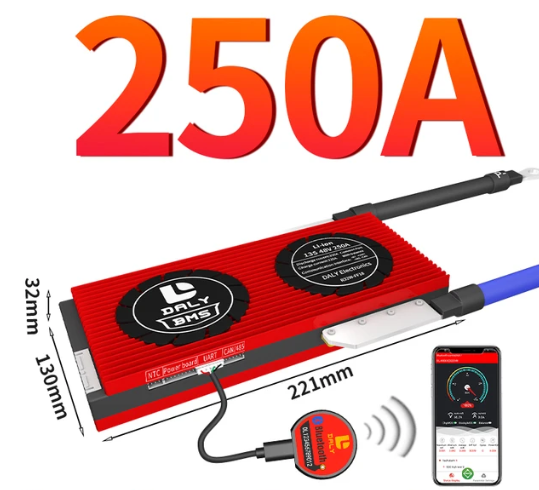
We also realised we could throw in the Daly BMS readings and compare them to the Shunts. We expected it to be good, but we were very happily impressed with it being basically the top performer overall. It was extremely repeatable and accurate, coming in Second place on Charge when considering its deviation from the average. And it came in second place regarding overall variation too. For Discharge it once again came in second place regarding being close to the average, and third place regarding variation. The culmination of all these results puts it equal best, meaning it was the most repeatable and consistent overall.
So what does this mean? It means that our hard work and tweaks to both the base software and the settings, has paid off. We’re confident that our batteries are back to what we always aimed for, to be able to be used stand alone for simple setups. Our BMS will self “calibrate” at both 100% and 0%, just like the Renogy Battery Monitor with Shunt does. The Victron Smart Shunt only calibrates at 100% so there’s a slight disadvantage, this is the same for most shunts.
So if someone has a recent version of our Daly BMS battery, they can be pretty confident that the readings are accurate. Remember that prolonged periods of “storage” (not being used) can throw the SOC reading out of whack, this is why you should always fully charge the battery when you get ready for a trip. The same goes for small currents less than 1A, these can often be misread as the accuracy/resolution is not great at very low currents. A load of just 600mA can drain about 100Ah over a week, and may not be recorded by the BMS. This is why regular full charges are important.
As Andy said a while back…”Make Daly Great Again”… We did it 😉