We had a recent request about “how shunts work”,
More specifically this follower asked…
“I would like to see a full article on
– How Shunts Work
– What Shunts can measure and what they can’t (Direct Battery Capacity, degradation of the Battery Capacity, Self Discharge etc)
– Why we need a shunt with Lithium
– Why they need regular calibration to 100% capacity.
– Why they aren’t set and forget
– Other calibration types (0% capacity setting)
– Compare a basic shunt vs automatically setting shunts and advantage of those.
– Discuss some poor shunts that can show a reading over 100% and what is actually happening.”
So here goes. Some of this will be short form because there’s already heaps of info online in both text and video format regarding Shunts. I may update or amend this article when time permits.
1. How Shunts Work
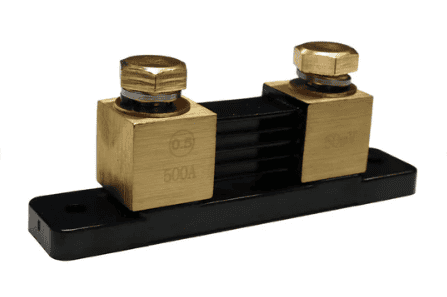
A Shunt is a (very low value) resistor. When you pass current through a resistor, there will be a voltage drop. If this resistor is calibrated properly then you can very easily and accurately measure the current flowing. This is Ohms law in one of its simplest forms.
2. What Shunts can measure and what they can’t (Direct Battery Capacity, degradation of the Battery Capacity, Self Discharge etc)
Shunts technically only measure current. However most Shunts that are used in RV’s have a bunch of other functions grafted on via a complex data logging circuit. This circuit almost always monitors and logs Voltage. Many “Smart Shunts” will have logging over time which can be downloaded with an App.
A shunt does not measure battery capacity, this is done either by a human interpreting the data, or embedded software.
Shunts also cannot measure Self Discharge of cells, because that occurs before the shunt can measure it.
Some shunts have software to estimate (via a setting) the degradation of a cell, however this is not accurate as it only factors in cycles, and assumes everything (temperature, current, storage etc) is perfect.

3. Why we need a shunt with Lithium
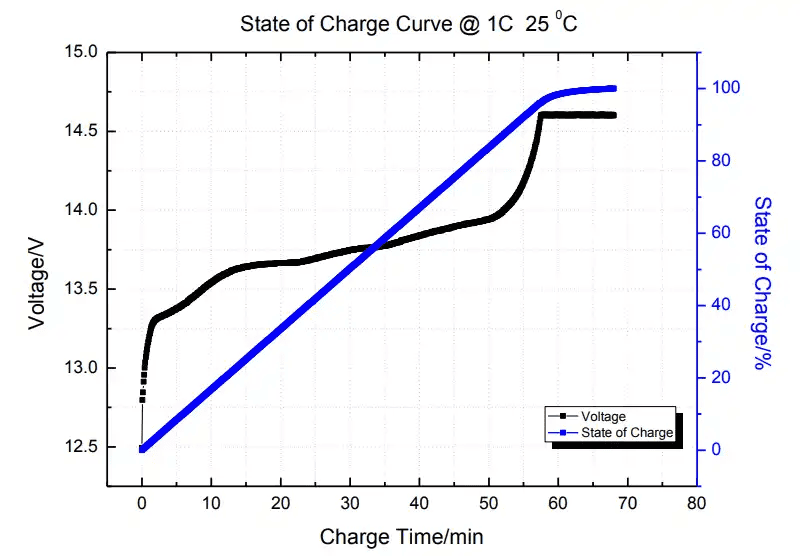
Lithium (specifically LiFePO4) has a very flat discharge curve, so measuring a voltage to determine SOC requires a very specific set of circumstances, such as knowledge of temperature and resting time from charge or discharge. This is almost impossible for most people to replicate in a system being used. So a Shunt measures how much energy goes in, and how much goes out, and uses basic mathematics to come up with a value. If we relied on Voltage alone, we may be out 50% or more depending on lots of factors.
4. Why they need regular calibration to 100% capacity
Most Shunts have a set point where they set the SOC to 100%. This is because we are very confident that at about 14.0v, when very little current is flowing for a period of a few minutes, the battery is fully charged. This is why regularly fully charging to 100% is essential for accuracy. Some also have a 0% SOC set point, personally I think this is also a good thing, because it provides more accuracy especially in periods of not fully charging. This “calibration” step does not EVER need to be done manually, even though many silly people online tell you it does, they’re wrong. If the Shunt settings are correct, just let the system charge the battery and it will work itself out.
Shunts also have limits on what they can measure. The Victron Smart Shunt is normally set to 100mA as a minimum measurement. This means you can draw 90mA for 100 hours and even though you have drained 9Ah, it won’t even know. Some shunts have higher thresholds, and many BMS’s with inbuilt shunts have thresholds up to 1500mA. So it may not even measure the current used by a USB charger charging your phone, or a small LED light. This can accumulate and a Shunt may say 100% but your batter could be almost flat.
5. Why they aren’t set and forget
Actually the good shunts ARE “set and forget” (mostly), they have inbuilt settings to self calibrate when full charge is reached, even better if it does the same when the battery is flat. However they generally don’t account for temperature and degradation of cells. So we think it’s good to perform a (controlled) full charge and discharge every year or two, and check how much your batteries have degraded, then use the new figure to adjust the shunt accordingly.
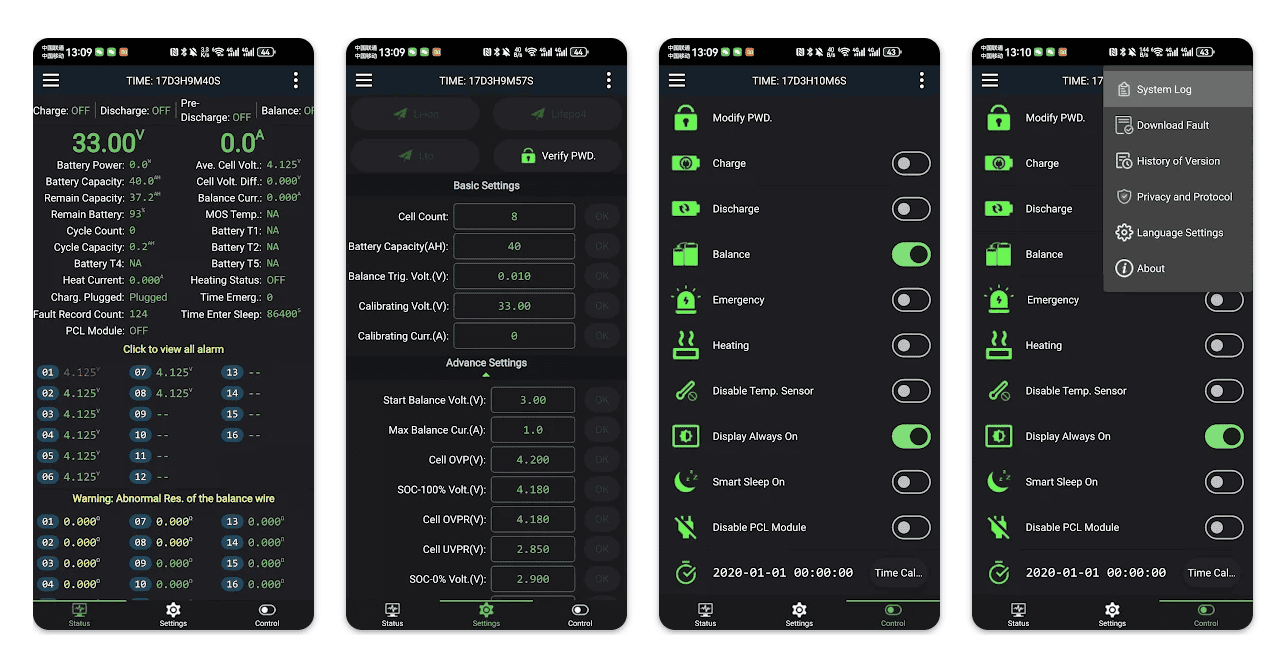
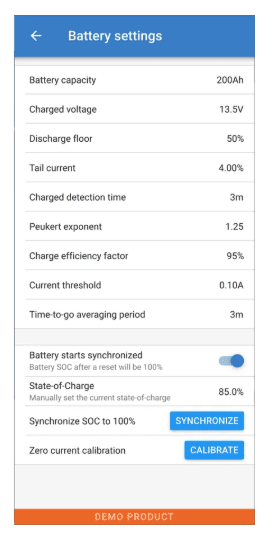
The other thing we see very often, is people just connecting the Shunt to the system and expecting it to work… Very wrong! Shunts need to be adjusted to suit your system and also the way you want the system to work. Various voltages and thresholds need to be manually entered properly, or you will get erroneous readings forever. The image below shows some common setting mistakes on the Victron Smart Shunt.
6. Other calibration types (0% capacity setting)
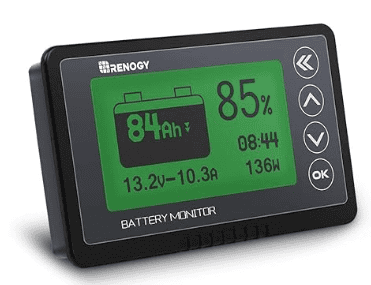
This is sort of covered in point 4. The Renogy Shunt with the display has this feature.
7. Compare a basic shunt vs automatically setting shunts and advantage of those
A basic Shunt is a simple resistor, therefore you will need to measure a voltage across it of somewhere between 0.01-0.10v very accurately many times a second, log them and make an ongoing cumulative calculation to derive the SOC. This is simply not feasible. So we have an inbuild data-logger in all shunts that have a Screen and/or Bluetooth or other communications. This does all that work in real time, very accurately 24/7. Kinda “smart”.
8. Discuss some poor shunts that can show a reading over 100% and what is actually happening
I’ve actually never seen this happen. If there’s a shunt out there that does this, it’s not something I would trust.
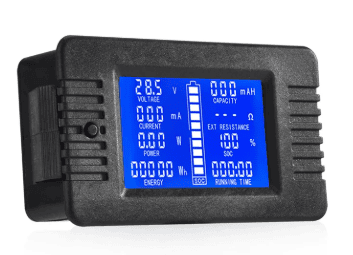
There are also some shunts available that are entirely unsuitable for SOC monitoring. A very common example (pictured below) has a remote LCD and while it’s good for measuring current and power, it does NOT do bi-directional current flow. So it will add up charge and discharge current, not discriminating between the two.